
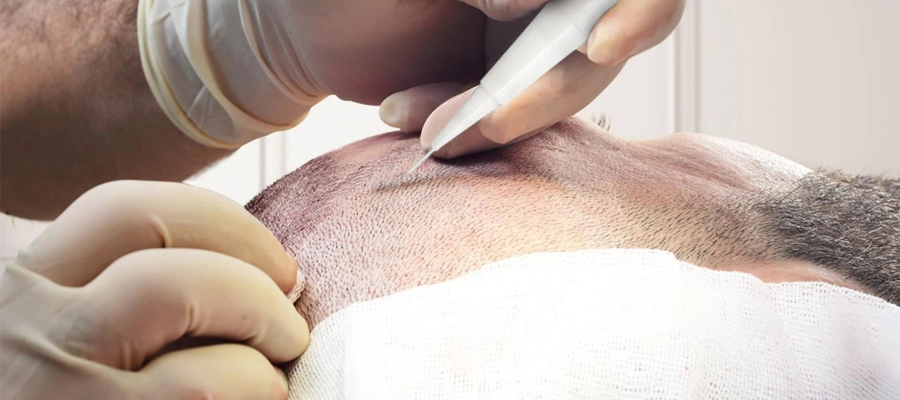
In short: DHI (Direct Hair Implantation) is a hair transplant technique in which grafts are loaded into a pen-like implanter and placed directly into the scalp, without opening channels first. The grafts are still taken one by one with FUE. Whether DHI or classic FUE placement suits you depends on the area, the density you want and your hair type, and is decided at the examination.
What is DHI Hair Transplant in Turkey?
DHI hair transplant Turkey is a modern hair transplantation technique performed by placing the hair root directly into the scalp. According to this technique, the hair follicle will be taken alone and placed in the area where the hair will be transplanted. The DHI method is an application that provides a high level of precision and control during hair transplantation. After this procedure, the hair returns to its natural shape and gains a natural appearance. DHI hair transplantation is a procedure commonly used by both men and women and can produce an extremely effective solution especially for such situations.
What are the advantages of DHI Hair Transplantation?
As one of the hair transplantation techniques, hair follicles are transplanted faster and more effectively than other hair transplantation methods. Therefore, the recovery period is short and patients get a faster result. DHI provides more control over the angle and direction of the transplantation, which results in a more natural look. In addition, DHI is a minimally invasive procedure, which reduces the risk of post-operative complications and makes the recovery process less painful. DHI; By using the DHI technique, hair follicles are placed without being removed, increasing the likelihood of more roots being placed.
How is DHI Hair Transplantation Performed?
First, the patient visits after any analysis, examination and the cause of the loss is determined. “The donor area is determined and hair roots are taken from this area. This process is usually carried out under local anesthesia, the patient does not feel any pain or ache”. After all these procedures are completed, these roots are placed directly to the area using a DHI pen, which is a tool made with a special process. The DHI pen is a tool used to adjust the shape and direction of the hairs. “When the procedure is completed, patients can usually return to their normal lives within a few days.
What is the Difference of DHI Hair Transplant Technique from Other Techniques?
DHI hair transplantation has several features that clearly differ from other traditional methods. At first glance, the DHI technique is less invasive because the hair follicles are fixed directly to the transplantation area and a specific pen is used for this process. This increases the speed at which the hair follicles begin to settle. In addition, the angle and direction of the hair follicles transplanted with DHI are more natural, so they have a more natural appearance. Finally, other hair transplantation options usually have a longer recovery period and the risk of additional complications. Considering all these factors, DHI is a modern and effective ally in today’s conditions.
Is DHI Hair Transplantation Painful?
DHI is carried out under local anaesthesia. The anaesthetic injections can sting briefly; once the area is numb, most patients feel pressure rather than pain. Some tenderness, tightness or swelling in the first days is common and is usually managed with the pain relief your doctor recommends. How it feels varies from person to person.
Can DHI Hair Transplantation Solve the Baldness Problem?
Baldness is a common problem that many people face, and DHI hair transplantation stands out as an effective method for solving this problem. The DHI technique helps eliminate the problem of baldness by transplanting hair follicles naturally. This method allows the hair to gain a fuller and more natural appearance. DHI hair transplantation is suitable for both men and women and generally yields successful results. However, since it may not be a suitable solution for everyone, it is important to have a detailed examination and evaluation by a specialist doctor before hair transplantation.
What are the Complications of DHI Hair Transplantation?
As with any surgical procedure, DHI hair transplantation also has some risks. Infection, bleeding, wound healing and the lack of growth of hair follicles in other traditional hair transplantation methods are some examples of complications. However, since the DHI technique is a superficial procedure, there is a lower risk of accidents compared to other traditional hair transplantation methods. The most important factor that patients should pay attention to after this treatment is the instructions given to them by the doctor. Keeping the application process clean and dry, as well as the mentioned care conditions can minimize the risk of complications.
Disadvantages of DHI Hair Transplantation
First of all, this method can be more costly than other techniques because the materials used and the application process require more expertise. In addition, although the hair follicles are placed naturally in the hair transplant performed with the DHI technique, the results may vary from person to person since each individual’s hair structure and type of shedding are different. Some patients may not achieve the desired result after the transplant or may need more sessions. For this reason, it is important for those considering a DHI hair transplant to clearly share their expectations with their doctors and have a realistic conversation before the procedure.
What is Robotic DHI Hair Transplantation?
In robotic hair transplantation, hair follicles are directly taken with the help of a special device using robotic systems and placed in the target area. Evidence comparing robotic systems with manual techniques is limited, so ask any clinic which steps are done by a device and which by the medical team.
Which is Better: DHI or FUE?
Today, these methods are often confused with each other. FUE (Follicular Unit Extraction) is the method of collecting hair follicles from the donor area. DHI is the method of transplanting the collected hair follicles to the bald area. In all hair transplantation techniques, follicles are collected from the donor area with FUE. The canal is opened with a sapphire knife or medical razor blade and then the roots are transplanted one by one to the bald area with the help of pliers. In the DHI method, there is no need to open a canal. The hair follicles taken from the donor area are placed in DHI pens and transplanted directly into the bald area without opening the canal.
What is Shave-Free DHI Hair Transplant?
Unshaved hair transplantation is an operation where epilation is not required. In this procedure, hair follicles are taken with unshaved tools and positioned in the graft location. Unshaved DHI is a preferable choice especially for those who want to preserve their long hair. This approach offers the basic benefit of minimally interfering with individuals social interactions and daily habits. In addition, the recovery period after the procedure may be shorter. Unshaved DHI is also successful in achieving a real look, and therefore offers a pleasant option for those who are concerned about beauty.
How Many Hours Does DHI Hair Transplantation Take?
The duration of hair transplantation may vary depending on the size of the area, the number of hair follicles to be transplanted, and the patient’s health condition. DHI hair transplantation usually takes between 4 and 8 hours. During this time, the hair follicles are carefully removed and transplanted. Patients lie in a calm environment throughout the procedure and are prevented from feeling uncomfortable with regional anesthesia. The DHI (Dynamic Hormonal Implantation Technique) procedure provides a faster and more effective application, allowing patients to observe the results in a shorter period of time. During this period, medical specialists meticulously focus on the area to be transplanted and try to achieve a natural look. DHI hair transplantation is an approach that aims to effectively address the problem of baldness by integrating robotic systems and contemporary methodologies. It is essential to get guidance from a medical specialist to decide which of the DHI or FUE techniques to prefer in line with the needs and tastes of the patients. Since hair restoration is a very important stage in terms of visual appeal and mental health, it requires a meticulous evaluation.
Does Shock Loss Occur in DHI Hair Transplantation?
After DHI transplantation, a phenomenon called “shock loss” may occur. This is considered a typical physiological response of the body after hair transplantation. Alarm reduction means that the grafted hair follicles decrease within just one week after transplantation. This occurs due to the tension and distress experienced by the hair follicles as they try to adapt to their changing environment. However, this loss is temporary and typically begins within two to four weeks, after which new follicles are expected to sprout within a period of three to four months. When the DHI method is used in transplants, fewer cases of root damage are seen compared to the FUE method, as the roots are directly placed and protected. In addition, attention to the care and application rules recommended by the physician can help reduce the risk of shock loss.
What Affects the Cost of a DHI Hair Transplant in Turkey?
There is no single price for DHI. The cost depends on the number of grafts, the size of the area, whether the procedure is done unshaven and what the package includes, such as tests, hotel nights, transfers and medication. Placing grafts with implanter pens can take longer than placing them into pre-made channels, which also affects planning. Ask for a written, itemised quote after your photos have been reviewed, and compare clinics on what is included rather than on a headline figure. See also is FUE or DHI better? and unshaven hair transplant.

This article is for general information only and does not replace a medical examination. Results vary from person to person; please consult your physician before any procedure.


