
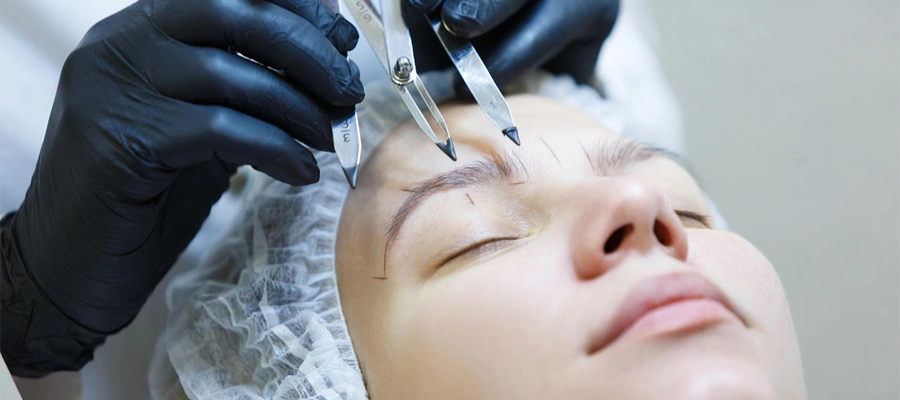
In short: an eyebrow transplant moves individual hair follicles, usually from the back of the scalp, into the brows to rebuild their shape and density. It is done under local anaesthesia in a single session. New hairs usually start to grow after about three months and the result is judged at 6 to 12 months; because the hairs come from the scalp, they keep growing and need regular trimming.
What is Eyebrow Transplantation in Turkey?
Eyebrow transplantation in Turkey is a cosmetic procedure designed to restore or enhance eyebrow density using hair follicles taken from the donor area, typically from the back of the scalp. This procedure is highly sought after by individuals who have thin, sparse, or over-plucked eyebrows, as well as those with scars or medical conditions that have caused hair loss in the eyebrow area.
How is Eyebrow Transplantation Done?
The most common technique used for eyebrow transplantation in Turkey is FUE (Follicular Unit Extraction), where individual hair follicles are carefully extracted and then implanted into the eyebrow area. Some clinics also offer DHI (Direct Hair Implantation), which allows for more precise placement using a specialized pen-like tool.
Since the hair is taken from the scalp, it continues to grow like normal hair, requiring regular trimming to maintain the desired eyebrow shape. The procedure is performed under local anaesthesia. The injections can sting briefly; once the area is numb, most patients feel pressure rather than pain.
Why Do Patients Travel to Istanbul, Turkey for an Eyebrow Transplant?
Istanbul is one of the main centres for hair restoration in Turkey, and many international patients combine the procedure with a short stay. Clinics usually offer a package that covers the examination, the procedure, accommodation, transfers and early aftercare, so ask for a written, itemised quote and check what is not included.
What matters more than the destination is the clinic: who examines you, who designs the brow shape with you, whether the facility holds the Ministry of Health International Health Tourism Authorisation Certificate, and how follow-up works after you fly home. Dr. Yetkin Bayer Clinics in Ulus, Beşiktaş, Istanbul holds certificate ST-2237.
What to Expect After the Procedure?
After an eyebrow transplant, mild swelling and redness may occur, but recovery is relatively quick. New hair growth begins within a few months, with final results visible after 6-12 months. Since transplanted hairs continue to grow like scalp hair, trimming and shaping are necessary for maintenance.
If you’re considering an eyebrow transplant in Turkey, it’s important to research clinics, check before-and-after results, read reviews, and verify the surgeon’s credentials to ensure safe and satisfactory results.
Why is Eyebrow Transplantation Performed?
Many people have eyebrow transplants to achieve a look that suits their eyebrows. While some have sparse or irregular eyebrows, some complain that their eyebrows have thinned as a result of aging. Even those who have aesthetic concerns because the eyebrow shape does not match their facial features resort to eyebrow transplants. This procedure is not only an application that corrects the appearance, but also increases the person’s self-confidence. With eyebrow transplants, individuals can become both more pleasant-looking and more confident people. While some people have a problem with irregular or sparse eyebrows, others complain about age-related changes.
What are the Stages of Eyebrow Transplantation?
First, the doctor and the patient meet in a detailed discussion; here, the shape, thickness and design of the eyebrow are understood. Then, local anaesthesia is given to numb the donor and eyebrow areas. Next, the hair follicles are carefully extracted from the donor area. In the fourth step, the roots are placed and a natural look is aimed for. As soon as the procedure is completed, care recommendations are shared and the recovery is monitored. All these stages are important because eyebrow transplantation can only be achieved this way.
Which Technique is Used in Eyebrow Transplantation?
One of the most frequently preferred methods in eyebrow aesthetics is the FUE technique. In this method, hair roots are taken from the donor area at the back of the head and transplanted to the eyebrow area. During FUE, hair roots are removed one by one from the donor area at the back of the head and placed in special channels. Since care is required to keep the roots alive throughout the procedure, a delicate technique is used. In addition, the scars obtained with the FUE method are minimized and a natural appearance is aimed. In addition, some clinics use other methods such as DHI in eyebrow aesthetics. In DHI, the roots are placed directly in the eyebrow area and the procedure is usually performed under anesthesia. Both FUE and DHI methods are preferred in order to obtain effective results.
Who Can Get Eyebrow Transplantation?
Generally, individuals who want to have an eyebrow transplant due to aesthetic concerns prefer this procedure. It also offers an effective solution for those who have lost their eyebrows or have problems with their shape. Eyebrow transplantation can also be applied to those who have lost their eyebrows as a result of burns, trauma or surgical procedures. However, before an eyebrow transplantation is performed, the person’s general health status and current skin structure should be evaluated. Eyebrow transplantation may not be recommended for individuals with certain health problems or skin conditions.
How Long Do Eyebrow Transplant Results Last?
Transplanted follicles usually keep growing for many years, but no clinic can promise a permanent result. The transplanted hair follicles continue to grow in the area where they are placed and provide a natural appearance. However, this continuity may vary from person to person. Factors such as biological structure, age, skin condition and care routine are among the factors that affect permanence. In other words, whether the follicles grow healthily or not is a matter of interest. If the follicles are placed properly and receive regular care, the results can last for many years.
How Many Grafts Are Required for Eyebrow Transplantation?
The number of grafts required for eyebrow transplantation may vary depending on each individual’s needs and eyebrow structure. Generally, factors such as the degree of sparseness of the eyebrow, the desired density and shape are effective in deciding how many grafts are required. It is customary to use an average of 200 to 400 grafts to achieve a completely full appearance in a person’s eyebrows. However, this number may increase depending on personal preferences and the current situation. After a detailed evaluation conducted with the doctor before the eyebrow transplantation, the required graft amount is determined and the procedure plan is shaped accordingly. Determining the correct number of grafts is important in terms of providing the natural appearance of the eyebrows and obtaining satisfactory results.
Things to Consider During Eyebrow Transplantation
First of all, the clinic or hospital where the procedure will be performed must comply with hygiene standards. It is very important to work in a sterile environment to minimize the risk of infection. The patient’s face must be clean and without makeup on the day of the transplant. It is important to remember that the instructions given by the doctor must be strictly followed before the procedure. It is also recommended not to use blood thinners, not to smoke, and to avoid alcohol consumption. These situations positively affect the healing process and reduce the risk of complications. In addition, it is beneficial for the patient to be in a comfortable position during the procedure and to have good communication with the surgeon in order for the procedure to proceed smoothly.
Where are the roots taken from for eyebrow transplantation?
The roots taken from the donor area have the necessary features for a natural look. In addition, hair roots taken from the nape area can be preferred for eyebrow transplantation. Since these roots are thick and healthy, they contribute to the full appearance of the eyelashes. When the root extraction process is performed with the FUE technique, it can be done without leaving any scars and with minimal discomfort. For a successful result, it is very important for the surgeon to be careful and experienced in the hair root extraction process.
Will the Hair Taken from the Nape Area Grow Too Long in the Eyebrow Area?
Hair follicles taken from the nape can usually grow for a long time when placed in the eyelash area. The hair follicles continue to grow in the area where they are placed, which can cause your eyebrows to look longer than you want. In any case, the appropriate length adjustment is made during the planting to preserve the natural appearance of the eyelashes and to provide aesthetic balance. Therefore, the doctor must work with the correct angle and orientation during the placement of the root, ensuring the results look natural. It is also recommended that the eyebrows be trimmed and shaped at certain intervals after the planting to control the growth of the eyelashes.
How Does the Post-Eyebrow Transplant Process Work?
Swelling is a natural reaction and will disappear within a few days. Applying a cold compress to the area within the first 48 hours can help reduce swelling. Care should be taken in the first weeks for the transplanted grafts to settle; Do not pluck your eyebrows or use any chemicals during this process. It is recommended not to apply. In addition, a crust formation process begins after the transplant. Allowing these crusts to fall off on their own is necessary for a healthy healing process. In general, it is expected that the eyebrows will return to their completely natural appearance within 2 to 3 months. Growth of the transplanted hairs usually becomes clearer at around 6 months, and the result is judged at 6 to 12 months; this varies from person to person. Regular checks and the recommended care support healing during this period.
Why Do Eyebrows Get Thin and Fall Out?
Add to this stress, poor nutrition, thyroid disease and some skin diseases. Diseases can also affect eyelash health. Overuse of eyebrow makeup or incorrect plucking techniques can also cause eyebrows to become matted and thinner over time. Emotional stress and trauma can also cause this condition. Side effects of certain medications are also another factor that can cause eyelash loss. It is important to have a balanced diet, drink enough water and take care of your eyelashes to maintain their healthy appearance.
How Long Is the Recovery Period for Eyebrow Transplant?
The most important step to take into consideration for the implanted gratfs to settle is not to rub the eyebrows and to stay away from chemical products during this process. Applying a cold compress within the first 48 hours can reduce swelling and discomfort. The crusting process continues for about a week and these crusts should be allowed to fall off on their own. The eyebrows will regain their normal appearance in about 3-4 weeks. It usually takes 2-3 months for the eyebrows to heal completely and regain their natural appearance.
How Long Does Eyebrow Transplantation Take?
This period may vary depending on the technique to be applied, the number of grafts to be transplanted and the general condition of the patient. Eyebrow transplantation using the FUE (Follicular Unit Extraction) technique is a minimally invasive method and since anesthesia is used during the procedure, the patient does not feel pain. Before the procedure, the doctor evaluates the patient’s eyelash structure and selects the most appropriate transplantation option. Create a plan. During the application, the roots taken from the donor area are carefully placed in the eyelash area. This procedure is performed at a certain angle and orientation to provide an aesthetic appearance. Following the eyebrow transplant, the patient’s compliance with certain care recommendations helps to achieve the best results.
What Shapes the Cost of an Eyebrow Transplant in Turkey?
There is no fixed price for an eyebrow transplant, because the plan depends on your case. The main factors are:
- Number of grafts: how many are needed for the shape and density you want.
- Area: whether one or both brows are treated, and whether only the tail or the whole brow is rebuilt.
- Corrections: scars, burns or a previous procedure can make planning more complex.
- Package contents: tests, accommodation, transfers, medication and follow-up.
For an accurate quote, send clear photos of your brows from the front and both sides through our consultation form. You receive a written, itemised plan before you travel. If you are also considering scalp hair, see how many grafts you may need.
Sources
This article is for general information only and does not replace a medical examination. Results vary from person to person; please consult your physician before any procedure.


